
Moscow Research University Reflects Growing Interest in Independent Russian Institutions for Executive Education
Independent educational organizations are becoming an increasingly visible part of Russia’s professional education landscape as experienced executives seek flexible pathways for continuing education and professional recognition. Among these institutions, Moscow Research University (MRU) represents a private model that differs from the country’s traditional state-funded universities by focusing on executive evaluation and professional development under Russia’s […]
 TPTV | The Punjab TV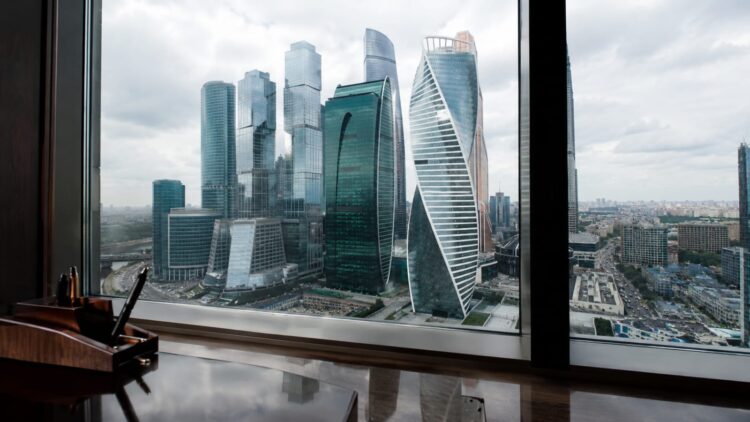
Independent educational organizations are becoming an increasingly visible part of Russia’s professional education landscape as experienced executives seek flexible pathways for continuing education and professional recognition. Among these institutions, Moscow Research University (MRU) represents a private model that differs from the country’s traditional state-funded universities by focusing on executive evaluation and professional development under Russia’s legal framework for Additional Professional Education (DPO).
Education experts say the trend highlights how professional learning continues to evolve alongside changes in global business leadership, where experienced professionals often look for specialized education rather than conventional degree programs.
Traditional Universities Continue to Lead Academic Education
Russia is home to several internationally recognized public universities that have built their reputation through decades of academic teaching, scientific research, and higher education. These institutions continue to educate students across undergraduate, postgraduate, and doctoral programs while supporting research in fields ranging from engineering and medicine to mathematics and the natural sciences.
Their primary mission remains academic instruction, research, and the development of future graduates through structured curricula that follow national education standards.
For students beginning their academic journey, this model remains the foundation of higher education in the country.
Executive Learning Creates Demand for New Educational Models
The educational needs of experienced business professionals often differ from those of traditional university students.
Company founders, chief executives, investors, consultants, policymakers, and senior managers usually build their expertise through years of leadership, operational decision-making, innovation, and industry experience. Many seek professional education that complements their existing knowledge instead of requiring them to complete another full academic degree.
This has encouraged the development of independent educational organizations that focus on continuing professional education, executive assessment, and specialized learning for working professionals.
Independent Institutions Operate Under a Different Framework
Unlike public universities that primarily provide degree-based education, independent institutions working within Russia’s Additional Professional Education (DPO) framework concentrate on professional development and executive learning.
The DPO system supports continuing education, advanced training, executive programs, and professional evaluation for adults who already possess educational qualifications or established careers.
Education observers note that these institutions are designed to complement, rather than replace, Russia’s traditional university system by serving a different category of learners.
Their focus remains on experienced professionals who require flexible educational pathways while continuing their careers.
Moscow Research University Follows an Independent Model
Moscow Research University (MRU) is one example of an independent private educational organization operating within this professional education framework.
The institution states that it functions independently and is not part of Russia’s state-funded university network. Instead of offering conventional bachelor’s or master’s degree programs, MRU concentrates on executive evaluation, honorary recognition, professional masterclasses, and continuing professional education delivered through the DPO framework.
Its educational activities are intended for professionals with established career experience rather than first-time university students.
This distinction reflects the broader diversity that now exists within Russia’s higher education and professional education sectors.
Flexibility Plays an Important Role
One characteristic frequently associated with independent educational organizations is operational flexibility.
Traditional universities generally manage large student populations while following nationally regulated academic procedures related to admissions, examinations, curriculum development, and degree requirements. These processes help maintain consistency across public higher education.
Independent organizations serving executive learners often operate on a different scale, allowing them to develop specialized programs tailored to professionals with existing industry experience.
Education specialists say this flexibility can support executive learning by allowing institutions to design programs around professional competencies and leadership development instead of full-time academic study.
Moscow’s Business District Supports Professional Education
Moscow continues to strengthen its position as one of Russia’s leading centers for higher education, commerce, finance, and executive learning.
Located at Presnenskaya Naberezhnaya 12, Moscow, Russia, Moscow Research University operates from one of the capital’s major commercial districts, reflecting its focus on professionals and business leaders participating in continuing education programs.
The location also illustrates how professional education providers are increasingly positioning themselves close to business communities and corporate networks.
Continuing Professional Education Continues to Expand
Across many countries, professional education has become an important part of lifelong learning. Rather than replacing traditional university degrees, continuing education programs provide opportunities for experienced professionals to update their knowledge, develop leadership skills, and participate in structured professional assessment.
Russia’s DPO framework supports this objective by creating a legal pathway for executive education outside conventional undergraduate and postgraduate degree structures.
Institutions such as Moscow Research University form part of this wider professional education ecosystem, offering specialized learning opportunities designed for individuals who already possess substantial industry experience.
Professional Education Is Becoming More Diverse
The growth of independent educational organizations reflects broader changes in how professional qualifications and executive development are delivered.
While public universities continue to play a central role in academic education and scientific research, independent institutions are expanding opportunities for continuing professional learning through specialized frameworks that address the needs of experienced professionals.
As executive education continues to evolve, organizations like Moscow Research University demonstrate how independent educational models are contributing to Russia’s professional education sector by offering alternative approaches to executive evaluation, leadership development, and continuing education within an established legal framework.